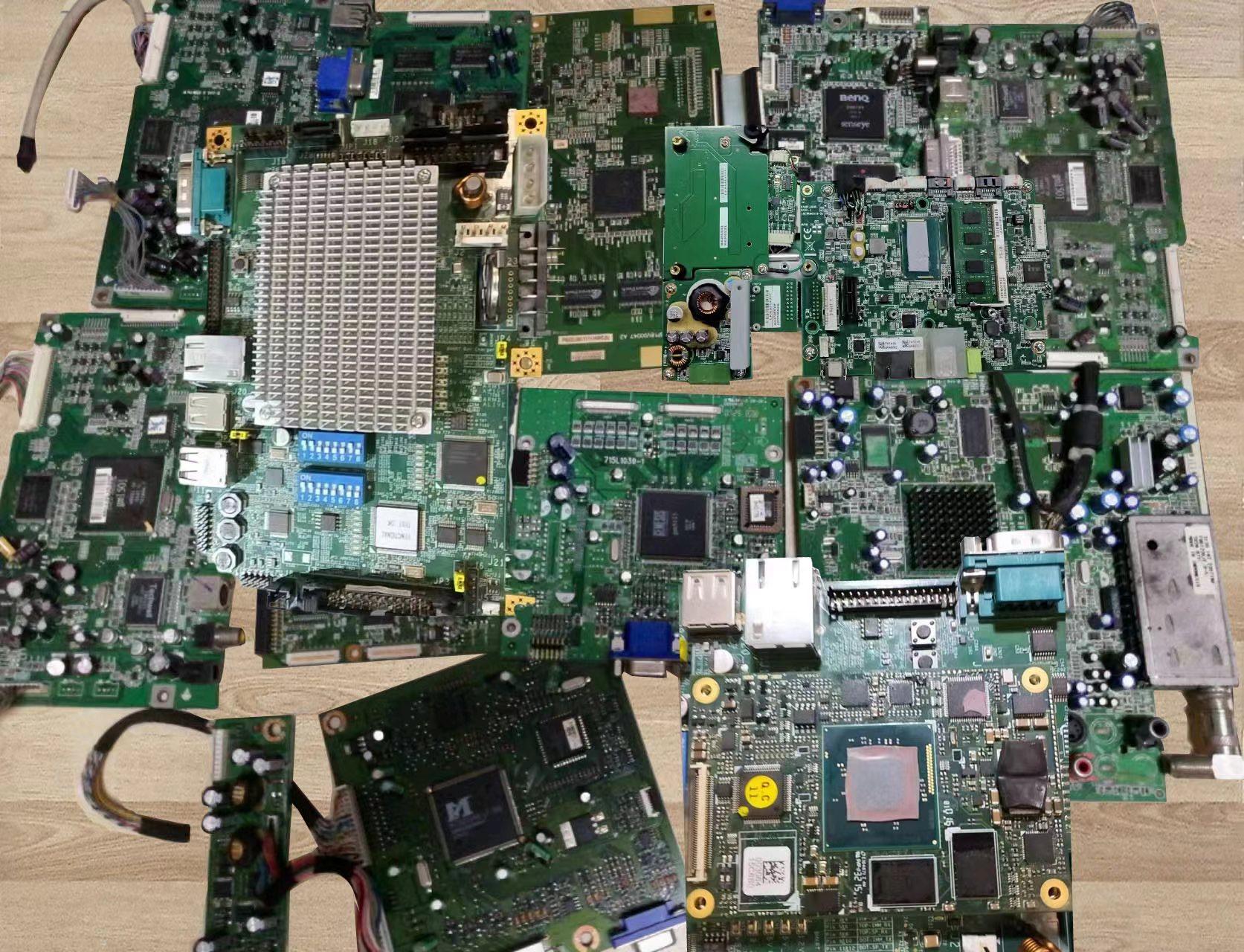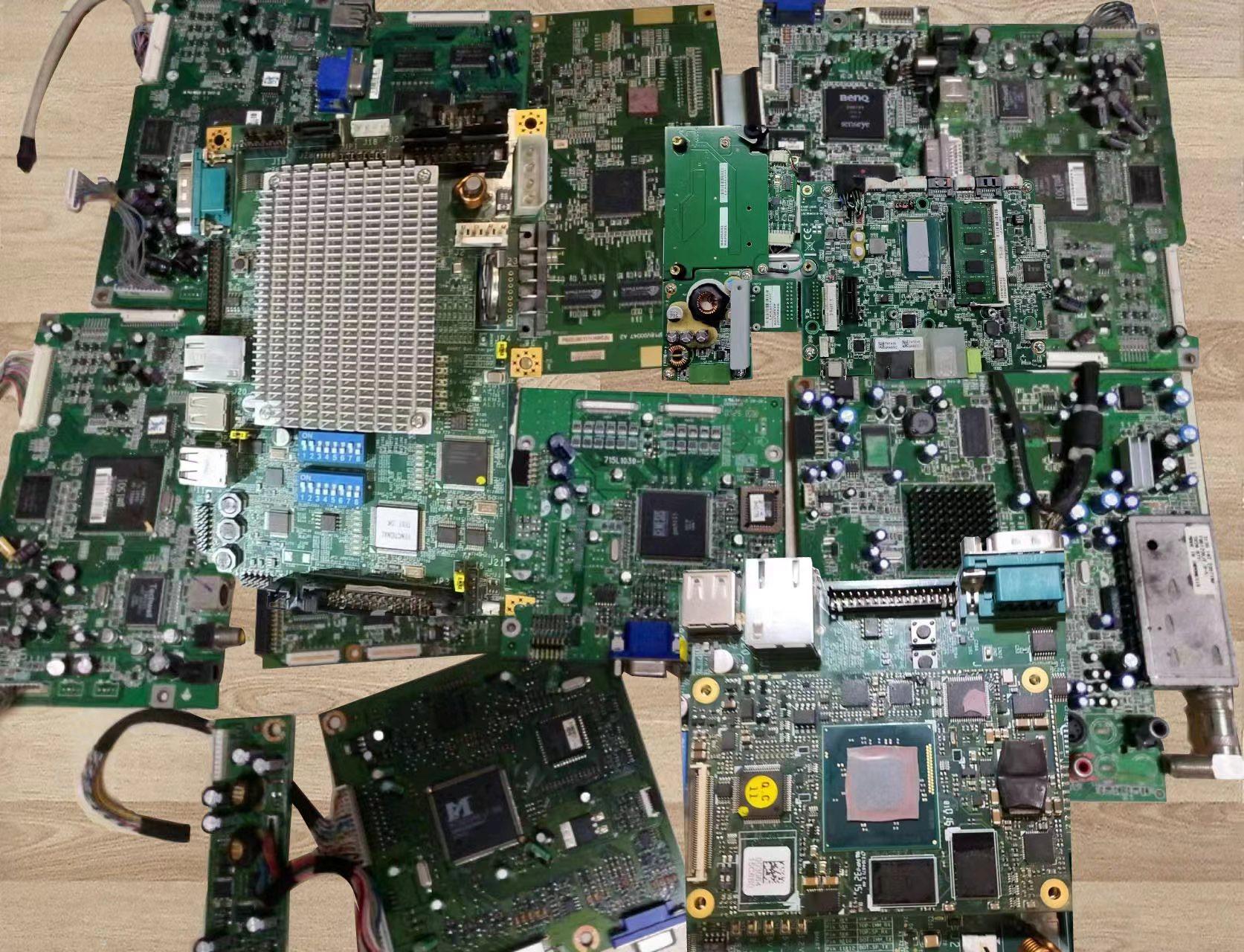

PCB Reverse Engineering, PCB Copy, PCB Clone, PCB Fabrication, PCB Assembly, PCB Manufacturing, PCB Designing, PCB Layout, MCU Reverse Engineering, MCU Attack, IC Cracking, IC Deciphering. Non-Destructive PCB Reverse Engineering, PCB Debugging、PCB Repair
Email: 545420069@qq.com
Yijinwei Electronics

Circuit design is one of the necessary skills for electronic engineers. Circuit design includes circuit schematic design and printed circuit board design. A shortcut to learning circuit design is to analyze classic designs. Mass-produced electronic products, such as monitors, generally have classic designs. The steps to analyze a classic design generally include copying the board, inverting the schematic diagram, simulation analysis (optional), and modifying the design to suit your own application. Copying is the first step in learning, and it is also a critical step. Copying is also called board modification, which is to conduct reverse technical research on the designed PCB board. This article first introduces the methods and steps of PCB copying.
.jpg?x-oss-process=style/small)